 ACQUISITION SERVICES SUPPLIER OF THE YEAR
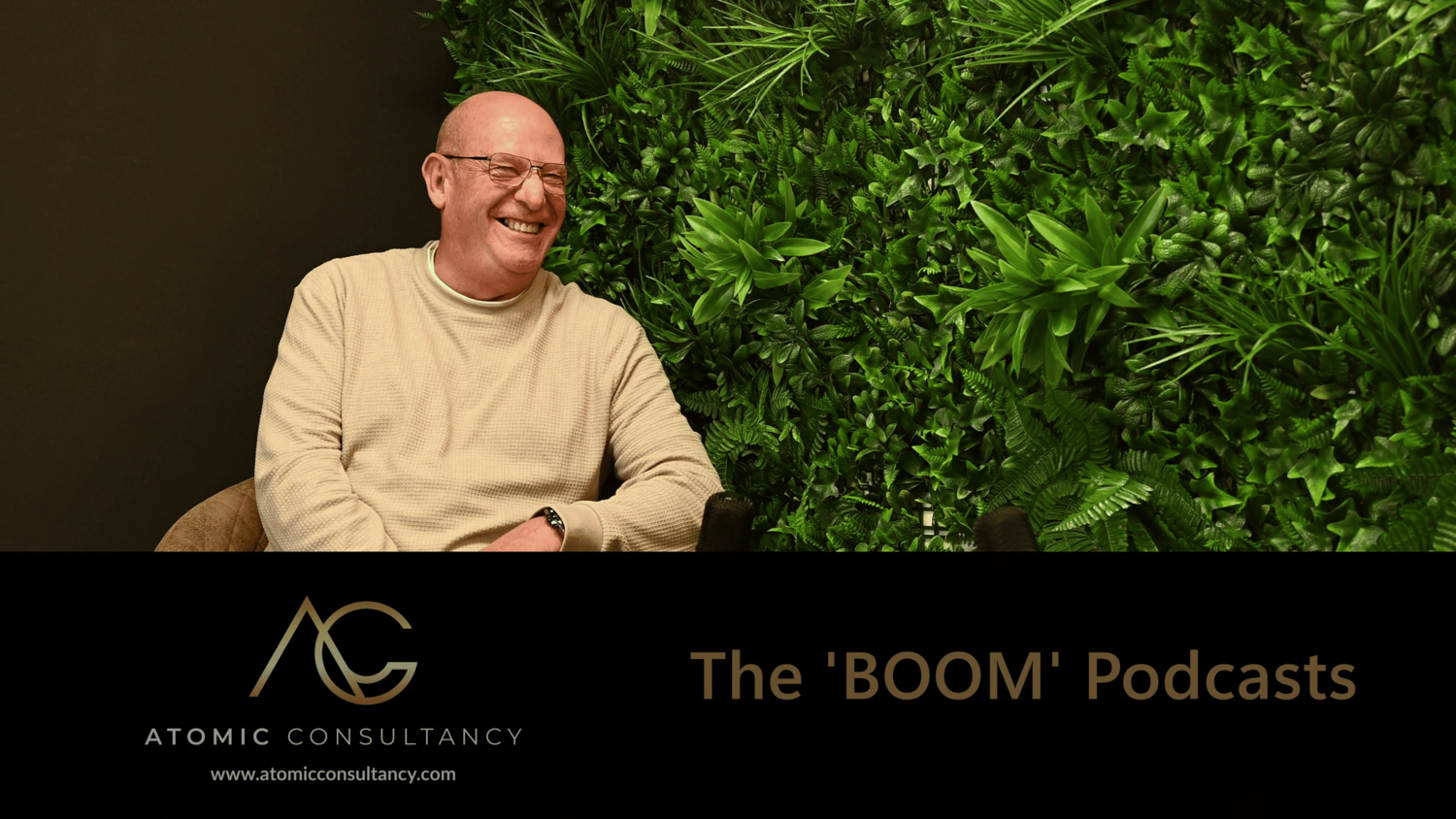
In Episode 3 of the Boom Podcast, Lucy Noonan is joined by Richard Palfreeman, former owner of Northfields, to explore what it really takes to build, grow and successfully sell an estate agency.
Following on from Episode 1 with Will Linley and Episode 2 with Kye Wheatley, this conversation continues the Boom Podcast’s focus on real experience, honest reflection and practical advice for estate and letting agency owners.
Richard’s journey spans more than three decades and covers everything from buying his first business at just 24 years old to growing a seven-branch operation across West London and ultimately selling for a record price.
It is a candid and insightful discussion about growth, lettings, leadership, financial discipline and the emotional reality of exiting a business you have spent most of your life building.
About Richard Palfreeman and Northfields
Richard Palfreeman owned Northfields from 1988 until its sale three years ago, growing the business into one of West London’s most established independent estate agencies.
After leaving university, Richard briefly trained in accountancy before realising it was not the right fit and moving into estate agency instead.
Following time spent in larger corporate environments, he was given the opportunity to buy Northfields at just 24 years old.
The business was small at the time, but it had strong fundamentals and a healthy pipeline.
Securing the funding involved significant personal risk, including taking out personal loans to complete the purchase. High interest rates and challenging market conditions in the early years forced the business to become disciplined and commercially focused very quickly.
Over the next three decades, Richard grew Northfields from a single office into a seven-branch operation employing around 75 people, earning a reputation for professionalism, consistency and deep local market knowledge.
Growing an Independent Agency in a Changing Market
Richard is open about the fact that growth was not always smooth or linear. Some decisions worked well, others less so, but each stage required adaptation.
One of the advantages Richard highlights is the ability for independent agents to move quickly.
Without layers of head office approval, Northfields was able to respond faster to market shifts, legislation and client expectations.
As Richard explains, legislation and market disruption are constants in this industry. What matters is how a business responds.
“If you accept that change is coming whether you like it or not, you can either react late or get ahead of it. We always tried to get ahead of it.”
This mindset shaped how Northfields approached everything from marketing to landlord communication and internal structure.
Why Lettings Became Central to Business Value
A key theme of the conversation is the importance of lettings as a value driver.
Richard made a conscious decision early on to treat lettings as a serious, standalone business rather than an add-on to sales. Lettings had dedicated teams, visibility and leadership focus.
At the point of sale, lettings accounted for a large portion of the Northfields activities.
“The value is tied up in lettings. Sales might be where the buzz is, but lettings is what underpins the business.”
Richard also reflects on a pivotal moment when he was challenged on how little time he was spending on the lettings side of the business, despite it driving the majority of value.
That prompted a shift in focus, greater engagement with figures and a deeper understanding of profitability at a granular level.
Moving From Working in the Business to Working on It
Like many agency owners, Richard found stepping back from day-to-day operations difficult.
For many years, he ran one of the main offices himself, which made it hard to focus on strategy, reporting and long-term planning. Building a capable senior team took time and, as Richard admits, mistakes along the way.
“It’s not an easy transition. You have to trust people, and sometimes they’ll get it wrong. But you’ll never build real value if you stay at the coalface forever.”
COVID became a turning point. For the first time in decades, Richard had the space to think clearly about the future of the business and what the next stage might look like.
Preparing Years in Advance for a Sale
Although Richard had been approached about selling before, he was not psychologically ready until later in his journey.
Once the decision was made, preparation became the priority. Northfields spent over two years getting the business ready for sale, focusing on clarity, structure and transparency.
“If I were going to sell, I wanted to sell on my terms and at the right price. If that didn’t happen, I was prepared not to sell at all.”
This preparation included cleaning up reporting, understanding cost lines, clarifying roles within the business and being honest about areas that could be improved.
The business did not need to be perfect, but it needed to be clear and credible from a buyer’s perspective.
Selling Northfields and the Emotional Reality
One of the most honest parts of the episode focuses on the emotional side of selling.
Telling the staff was one of the hardest aspects. As Richard explains, it is almost impossible to communicate a sale in advance without creating uncertainty, yet breaking the news after completion can feel uncomfortable.
“It’s not the part of business I enjoyed, but it’s part of the reality of selling.”
Lucy adds important perspective here,
“We’ve seen in the past, agencies willing to accept lower offers in an attempt to protect staff, only to see them leave anyway once the business has changed hands. If a sale is managed in the right way and communication is clear, this can be averted.”
Ultimately, selling is a personal decision, and business owners need to be clear that it is their strategy, built around their goals and future plans.
Life After Exit and Avoiding Seller’s Remorse
Richard was conscious of the risk of seller’s remorse and deliberately lined things up before completing the sale.
Remaining involved with the Property Academy, mentoring other business owners and maintaining structure in his life helped ease the transition.
“After 34 years, you need something to move towards, not just something to step away from.”
Today, Richard enjoys a better balance, remains connected to the industry and uses his experience to add value to others navigating similar journeys.
Richard’s Advice for Agency Owners Considering an Exit
Richard’s advice is clear and consistent throughout the episode.
- Take an active role in lettings.
- Understand your figures in detail.
- Do not delegate financial understanding entirely to your accountant.
“Prepare. Understand your numbers. And think about your business through a buyer’s eyes.”
Lucy reinforces this, explaining
“Many agencies come to market without robust breakdowns of income, profitability or recurring revenue, which can complicate or delay a sale. Preparation is key to a smoother and more profitable sale.”
With the right preparation and advice in place, owners give themselves far more control over timing, value and outcome.
Final Thoughts and Where to Watch
Episode 3 of the Boom Podcast offers a grounded, experience-led look at building and selling an estate agency properly.
It builds on the themes explored in Episode 1 with Will Linley and Episode 2 with Kye Wheatley, continuing the series’ focus on preparation, people and practical decision making.
If you are thinking about growth, acquisitions or selling your estate or lettings agency in the future, this episode is well worth your time.
You can watch Boom Podcast Episodes 1, 2 and 3 on YouTube and subscribe for more interviews, help and advice. Listen on Spotify, or contact Atomic Consultancy for confidential advice around exit planning and business value.